





Precision Air Balancing forCommercial Kitchens & Buildings

An unbalanced ventilation system causes negative pressure, smoke migration, uncomfortable dining rooms, and failed health inspections. Hood Builder's certified air balancing technicians test, adjust, and document every air system to ensure your exhaust, supply, and make-up air are in the correct ratios for your facility.

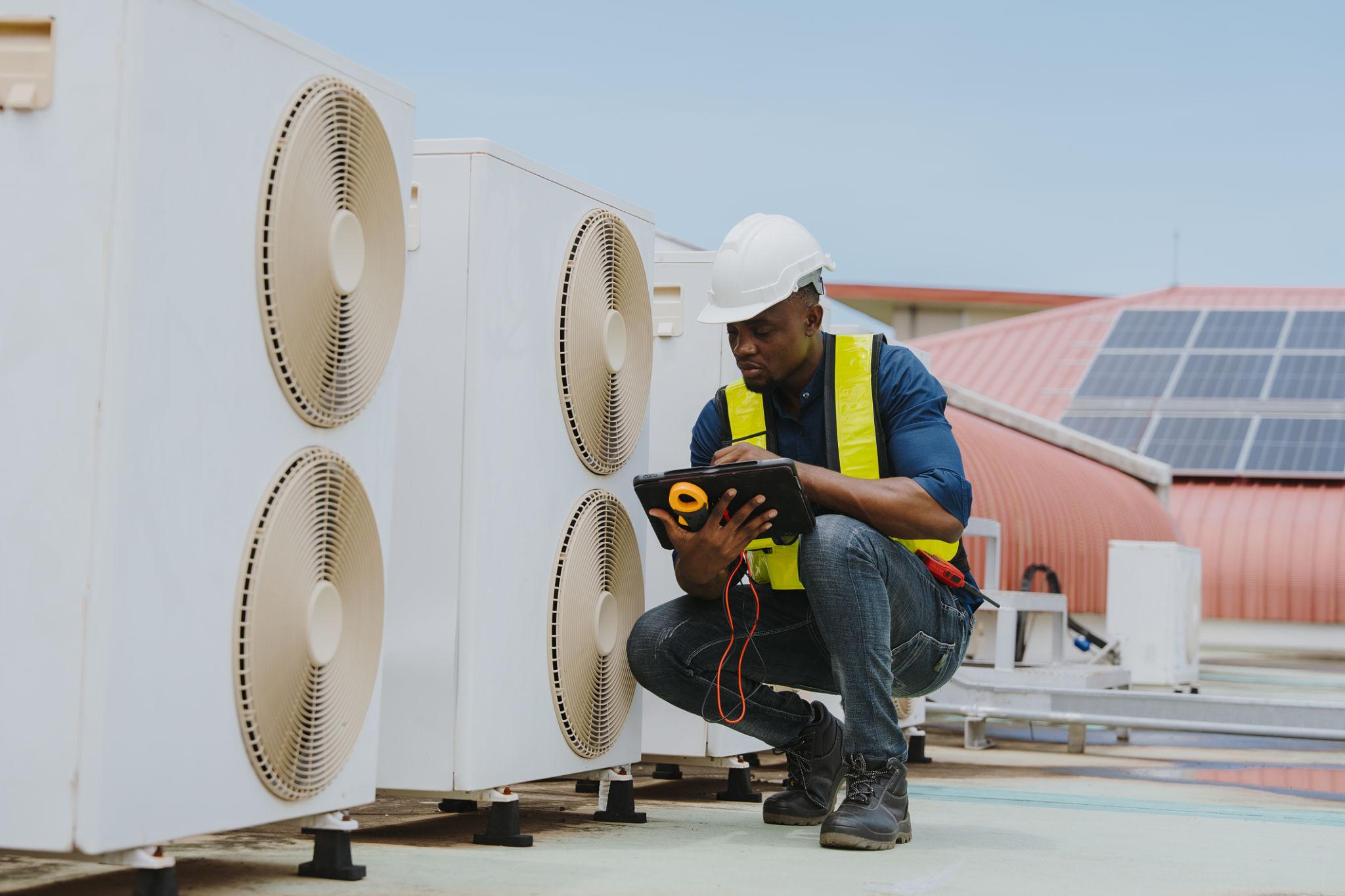
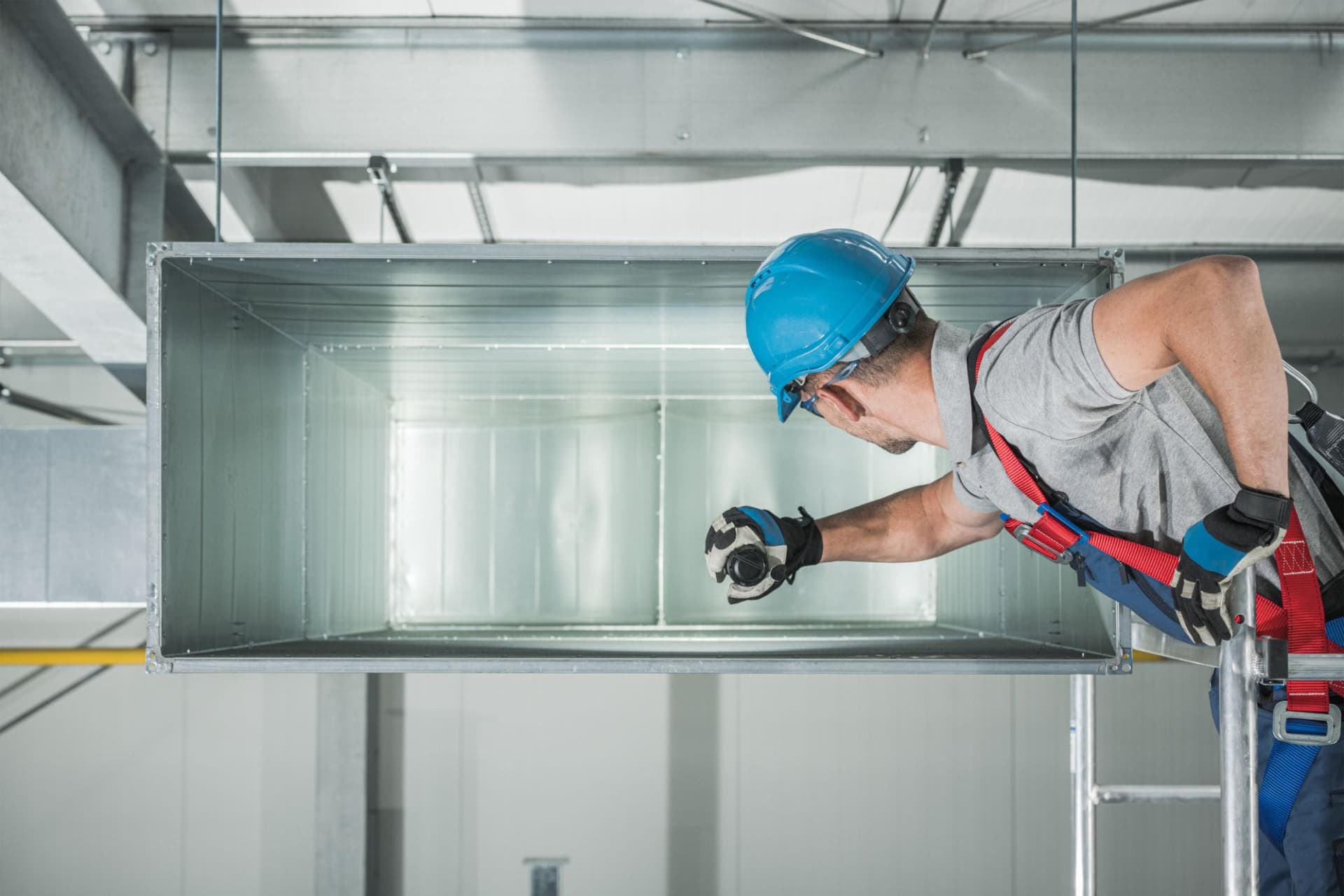
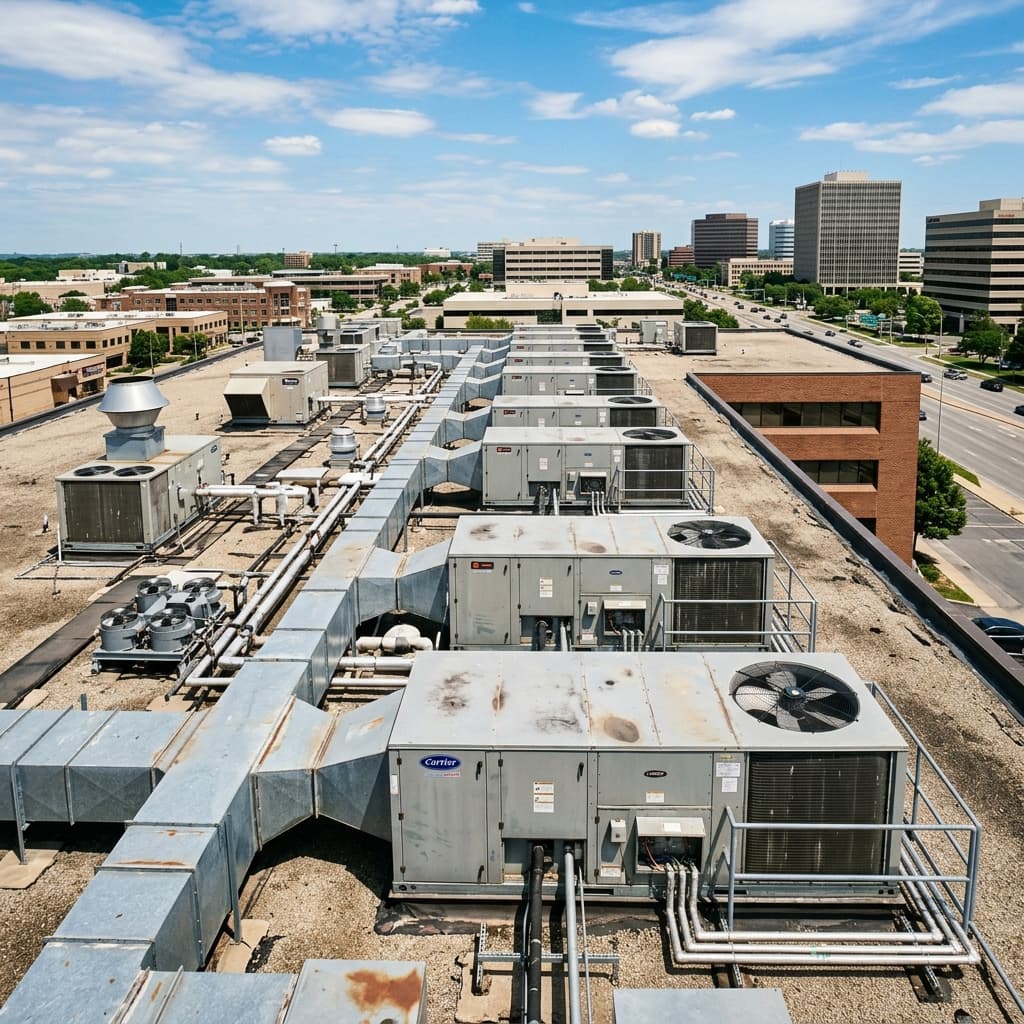
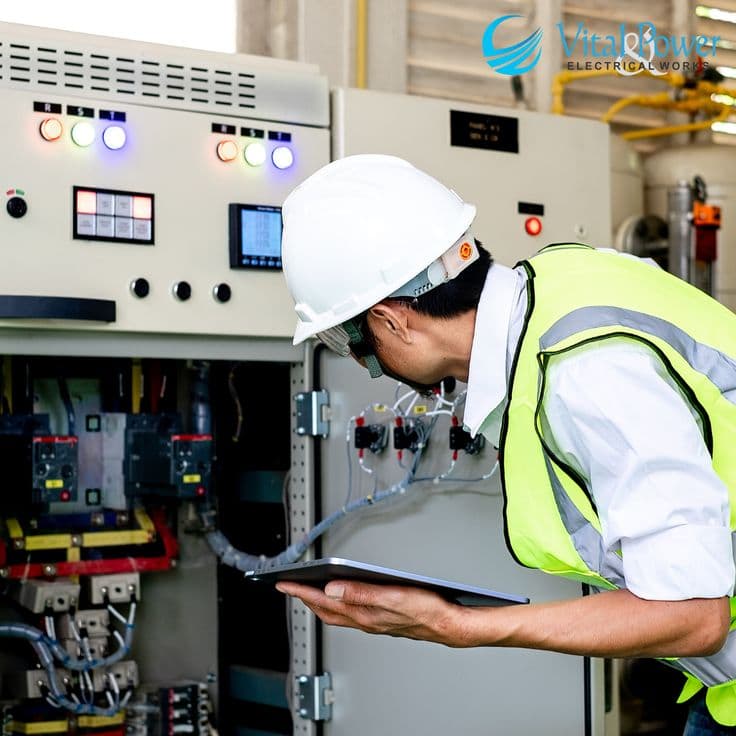
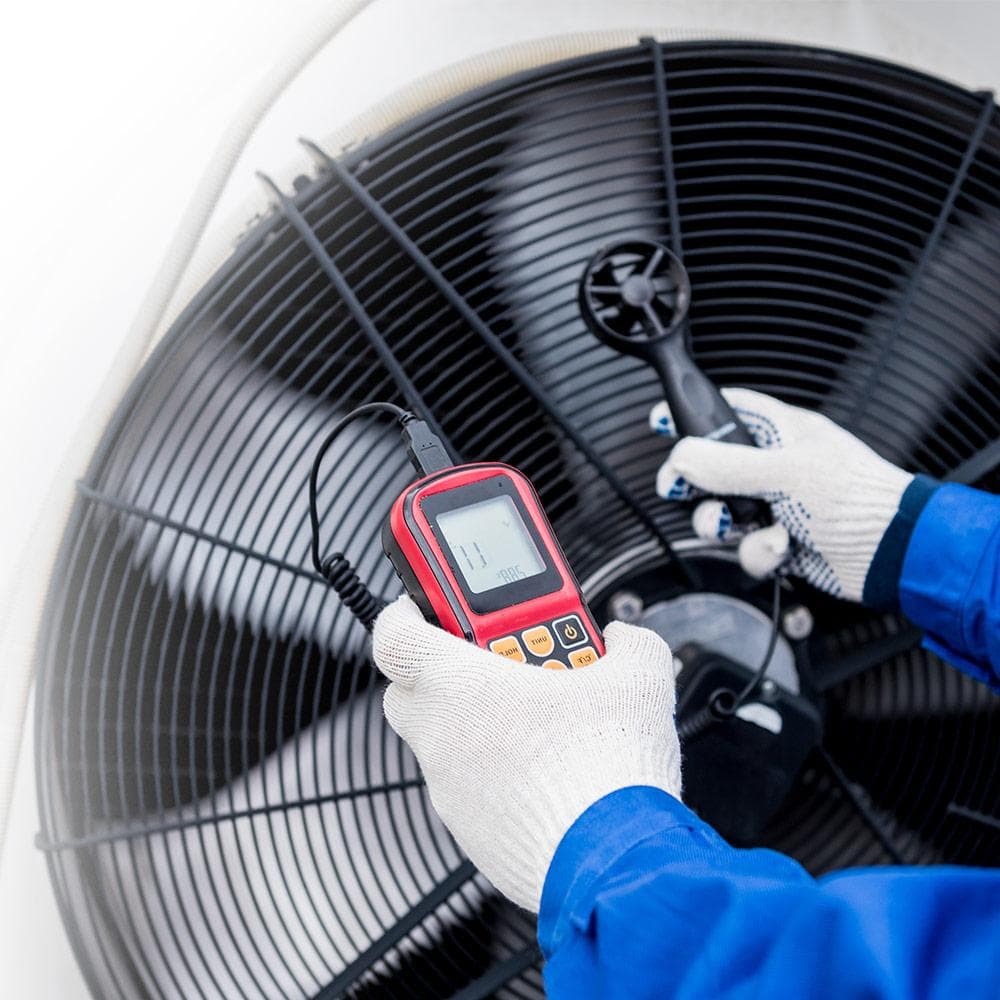
HVAC technician performing air balancing in a commercial facility
Hood Builder client
Hood Builder client
Hood Builder client
Hood Builder client
100's ofHappy Clients
4.3

Hood Builder's experts for design, build, and maintenance services.

Hood Builder's certified air balancing technicians diagnose and correct airflow problems in commercial buildings across Denver, Boulder, and Fort Collins. The result: consistent temperatures, lower energy costs, and an HVAC system that works the way it was designed to.

Everything You Need to Get on the Road

What Is Air Balancing?

Air balancing is the process of testing, adjusting, and optimizing an HVAC system so that conditioned air is distributed evenly throughout a building. Every building has an air pressure — positive or negative — that is affected by duct integrity, damper positioning, blower performance, coil condition, and the overall layout of the system. When that pressure is off, your HVAC system fights itself and loses. The air balancing process involves:

  • Full inspection of all HVAC system elements
  • Airflow measurement at every terminal and zone
  • Identification of problem areas — dampers, ducts, blowers, coils, filters
  • Adjustment of dampers, fans, and flow rates to achieve even distribution
  • Final verification of fan RPM, static pressure, airflow, and air temperature
  • Documentation of all findings and adjustments
Everything You Need to Get on the Road

Why Unbalanced Airflow Is Costing You Money

Imbalanced airflow is often invisible — until the energy bill arrives. A building with excess positive pressure draws in unconditioned outside air, forcing the HVAC system to work overtime to compensate. A building with excess negative pressure sucks in unfiltered air through cracks and gaps, degrading indoor air quality and taxing the system's filters and coils.
The real-world effects in a commercial kitchen or restaurant include:

  • Hot and cold spots in the dining room that frustrate guests
  • Smoke or odors rolling out of the kitchen into the dining area
  • Doors that are difficult to open or that won't stay closed
  • HVAC systems running constantly without achieving the set temperature
  • Energy bills that rise year over year without explanation
  • Accelerated wear on HVAC components from excessive cycling
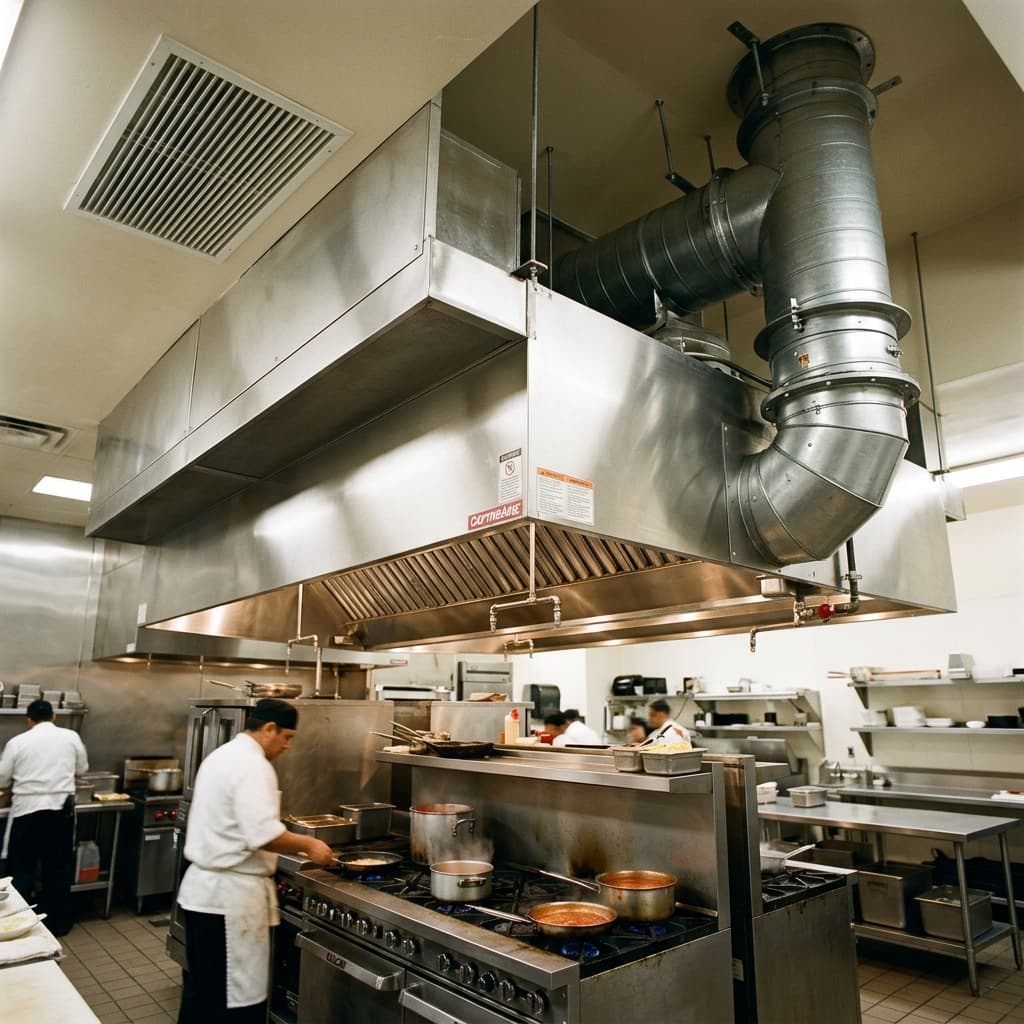
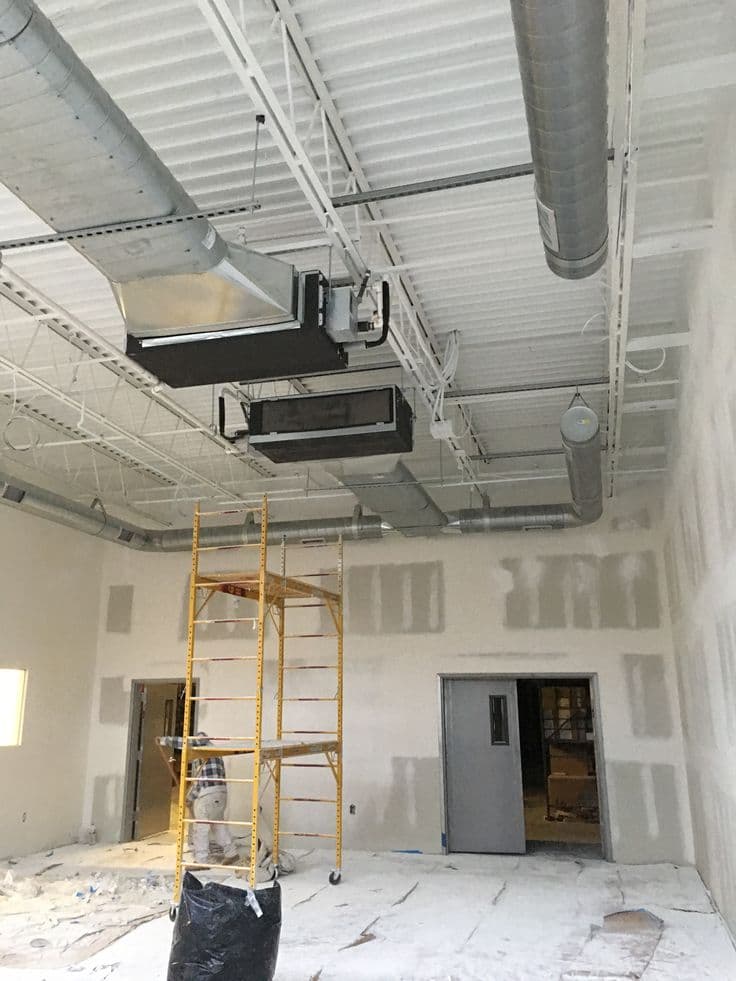
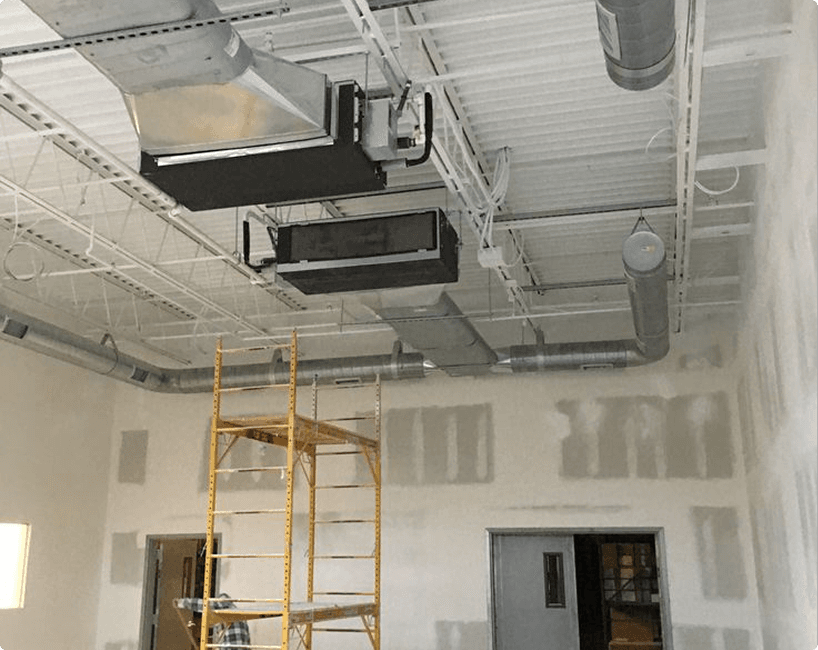
Commercial HVAC ductwork and airflow system in a restaurant facility

Common Causes of Airflow Problems

CauseWhat It Does
Missing or improperly set dampersAir flows to the wrong zones — creating hot and cold spots
Restrictive duct materials or tight elbowsCreates friction and turbulence, reducing airflow and overworking the blower
Duct leakageConditioned air escapes before reaching its destination — massive energy waste
Damaged or undersized blowerInsufficient airflow through ducts, system can't meet demand
Clogged coils or dirty filtersReduces airflow, causes turbulence, and forces the system to run longer
Why Certification Matters

Why Certification Matters

Air balancing can be attempted by general HVAC technicians, but certified air balancing is an entirely different level of expertise. Hood Builder's technicians hold NEBB (National Environmental Balancing Bureau) or TABB (Testing, Adjusting and Balancing Bureau) certification — meaning they have passed rigorous written and practical examinations and completed thousands of hours of supervised field work.Certification requirements include:

  • Passing written exams and report review exams issued by NEBB or TABB
  • Minimum 8 years of air balancing experience, or an engineering degree with 4 years of on-the-job experience
  • Oversight responsibility for instrument calibration, technician training, and safety
  • Submission of standard operating procedures to NEBB for company certification

The difference in practice: certified technicians troubleshoot the root cause of irregular ductwork problems — not just the symptom. They have the full range of testing instruments and the institutional knowledge to fix complex airflow problems that generalists miss.

What OurClients Are Saying

We measure success by the relationships we build and the results we deliver. See what clients say about working with our team.

Blake Rienhardt — Hood Builder client testimonial

As you say, you are a one-stop shop. Had our duct repaired and had our system checked with our hood cleaning. We had everything done in one day

Blake RienhardtBlake Rienhardt

They put me a new Air Extractor. What a difference ! Thank you (Original) Me pusieron un nuevo Extractor de Aire. Que diferencia ! Gracias

Thomas LozoyaThomas Lozoya

Been with Massoud's companies for years. Didn't realize they also did construction work. I had my duct system upgraded by hoodbuilder...

Jamie RobertsonJamie Robertson

They are well professionals. Thanks for fixing my hood and duct. (Original) Son bien professionals. Gracias por arreglar me campana y ducto

Graciela MattaGraciela Matta

Trusted by Leading Organizations

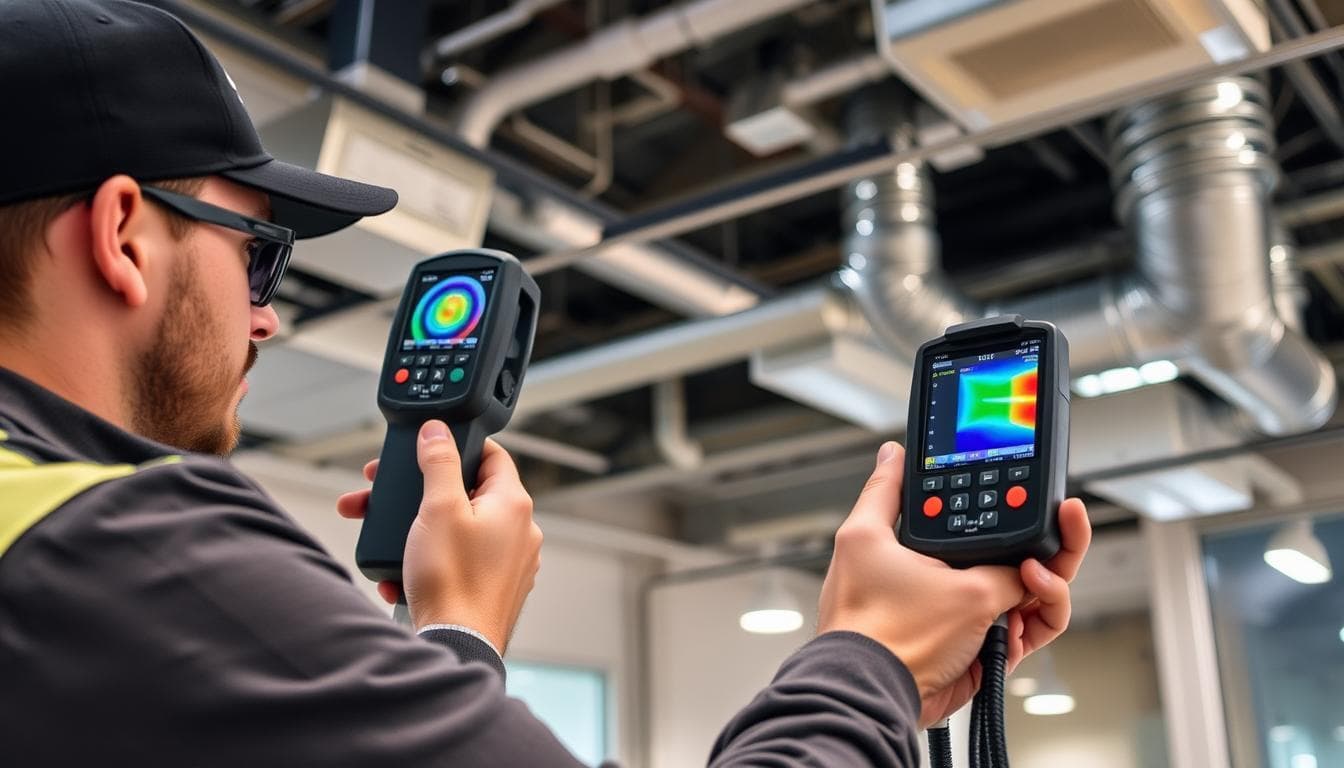
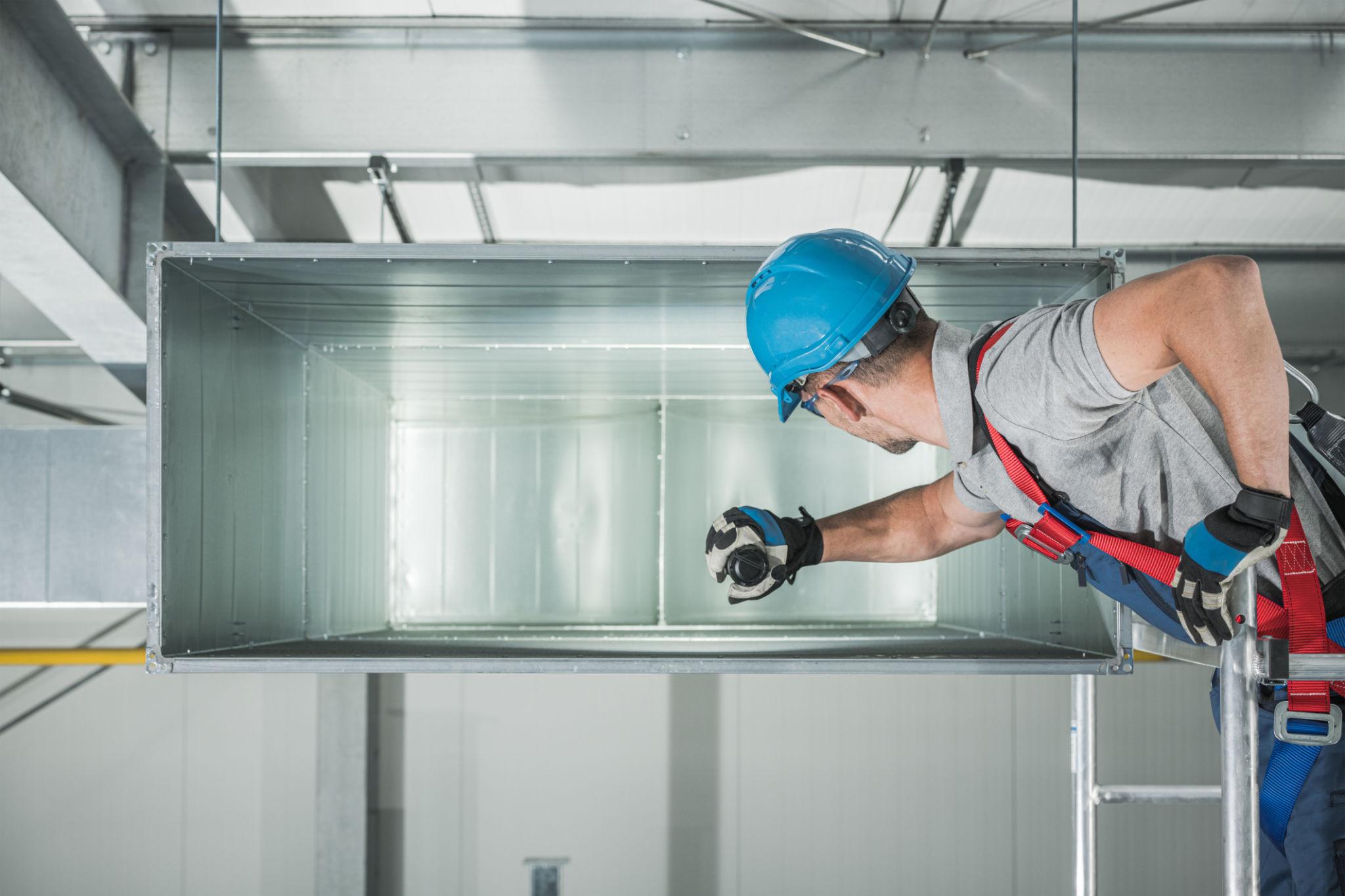
Technician performing an air balancing assessment

When to Schedule an Assessment

We recommend air balancing every two years for most commercial kitchens, or any time you notice uneven temperatures, smoke rollout, or rising energy costs.

  • Every 2 years as a routine maintenance measure
  • After any major equipment addition or replacement
  • After any duct modification or HVAC system change
  • When you notice uneven temperatures across the dining room or kitchen
  • When smoke or odors drift from the kitchen into guest areas
  • When doors are difficult to open or won't stay closed
  • When energy bills increase without a clear explanation
  • When opening a new restaurant or after a major remodel

Air Balancing FAQs

Most commercial air balancing assessments are completed in a single day. Larger facilities with multiple zones, extensive ductwork, or complex HVAC configurations may require 2–3 days. Hood Builder provides a timeline estimate before the assessment begins based on your building size and system complexity.

Yes, in most cases. Unbalanced systems run longer cycles, fight against themselves, and condition outside air unnecessarily. Restoring proper balance reduces all of these inefficiencies — our clients typically report 10–20% reductions in HVAC energy costs after balancing.

Yes — new systems are not automatically balanced. Installation errors, improper damper settings, and duct layout issues are common even in new construction. A post-installation air balancing assessment ensures your system performs to design specifications from day one and helps avoid warranty disputes with equipment manufacturers.

HVAC maintenance focuses on keeping individual components — filters, coils, belts, refrigerant — in working condition. Air balancing measures and adjusts how air moves through the entire system as a whole. Maintenance keeps parts running; balancing ensures conditioned air reaches every zone at the right volume and pressure.

Many commercial building codes and mechanical standards — including ASHRAE guidelines and local mechanical codes — require air balancing for new construction and major HVAC renovations. Even where not explicitly mandated, balancing is often required to pass final inspection and obtain a certificate of occupancy.

HVAC technician performing an air balancing assessment in a commercial building

Resources for Restaurant Operators

HVAC Air Balancing: What It Is, Why It Matters, and When to Schedule It

A complete guide for restaurant owners and facilities managers — covering the process, the benefits, and how to recognize the signs of an unbalanced system.

Why Your Restaurant's Energy Bills Keep Rising (and What to Do About It)

How imbalanced HVAC systems drive up energy costs — and the practical steps to fix it without replacing your equipment.

Smoke Rollout in Restaurants: Causes, Solutions, and Prevention

Why kitchen smoke drifts into dining areas, how air pressure imbalances are usually the root cause, and how to fix it permanently.

Get Your Free Project Estimate

Tell us about your facility needs, and our contracting experts will reach out within 48 hours to discuss the details.

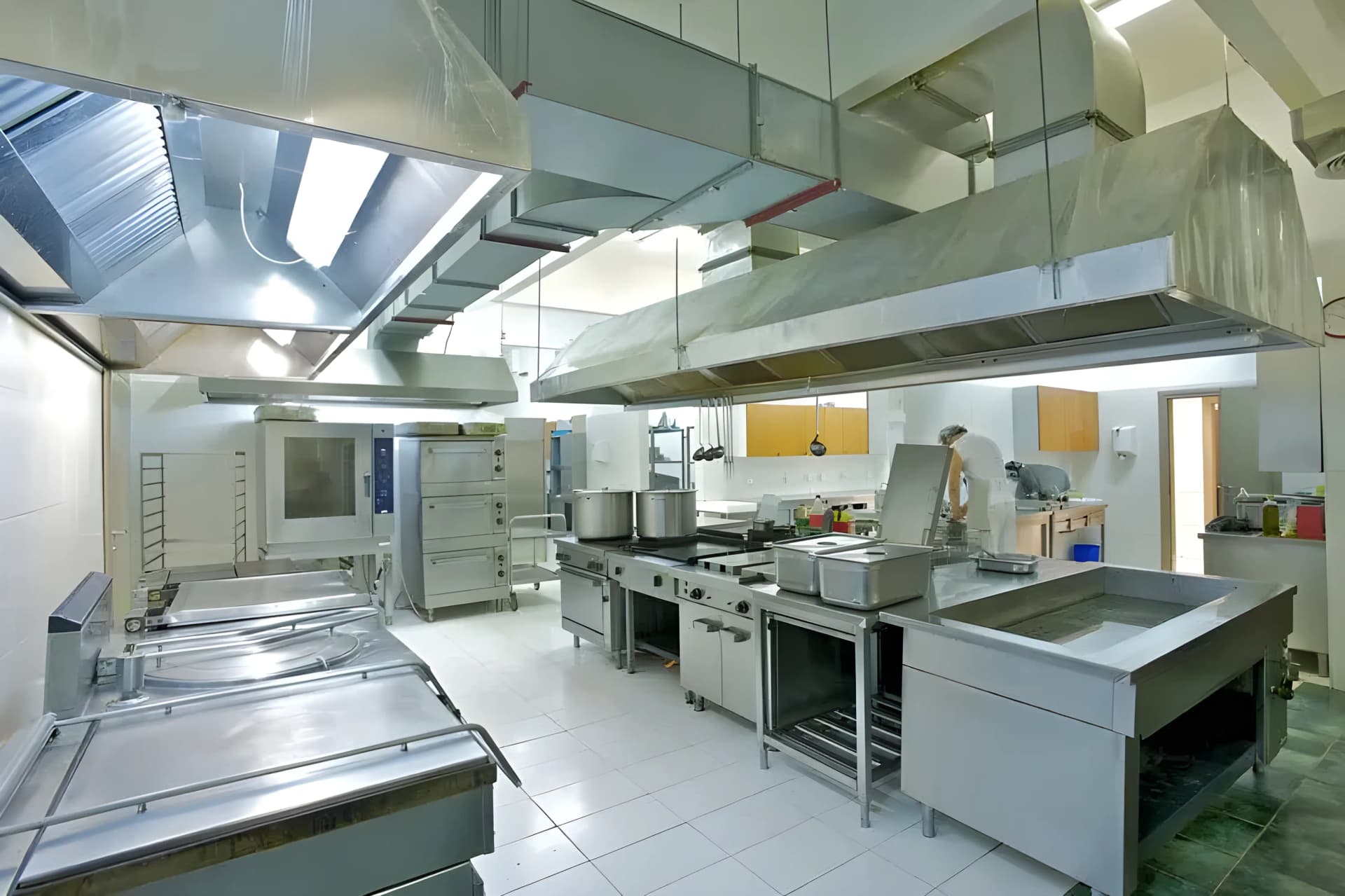
Professional chefs in a commercial kitchen
Project Scope (Select Services you're interested in)

Security Check: What is8 + 5?