






Commercial Kitchen Hood Installationin Denver

Hood type, exhaust, make-up air, fire suppression, and permits — planned together so your restaurant build stays on schedule and passes inspection the first time.

Denver · Boulder · Fort Collins, CO · (303) 777-7720

Hood Installation
Hood Builder client
Hood Builder client
Hood Builder client
Hood Builder client
1000 +Happy Clients
4.3

Hood Builder's experts for design, build, and maintenance services.

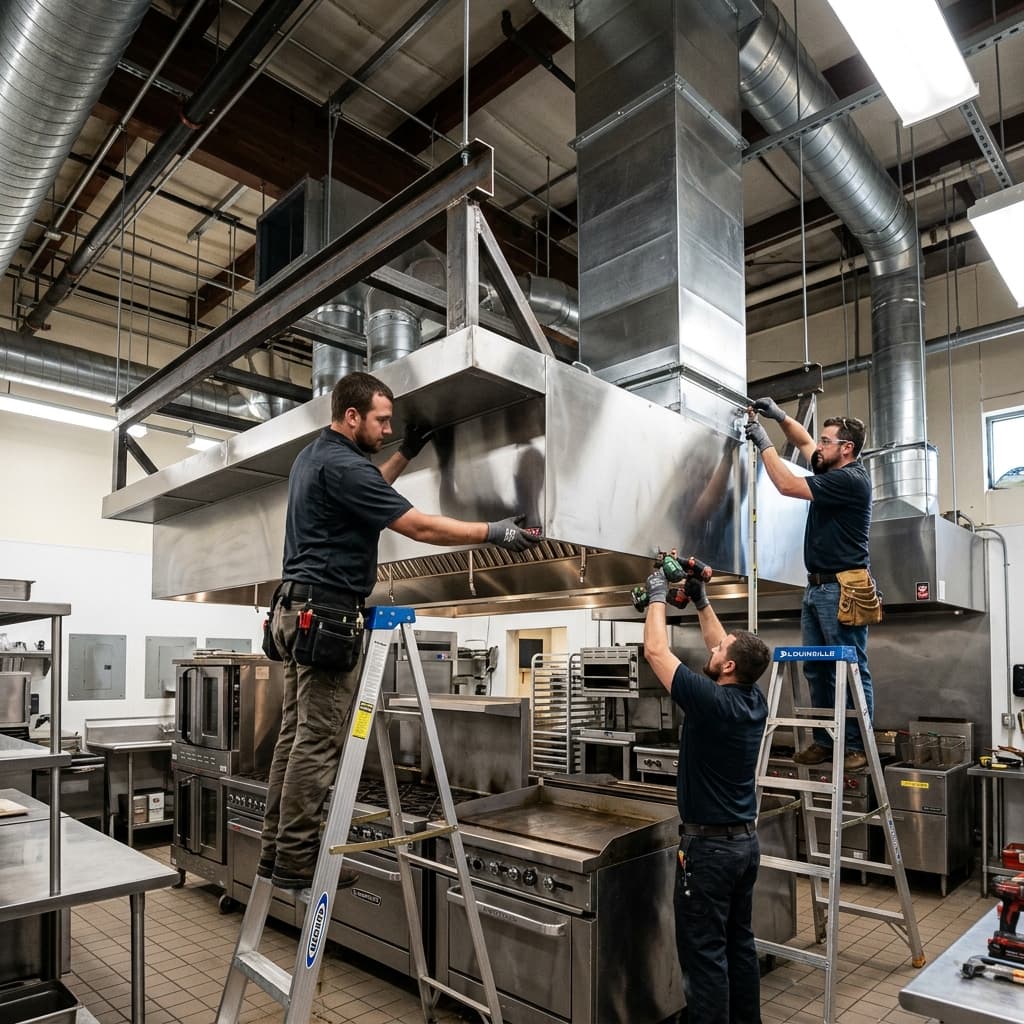
A commercial kitchen hood installation in Denver requires the right hood type for your cooking equipment, a code-compliant exhaust and make-up air design, a wet-chemical fire suppression system, and permit approval before work begins.

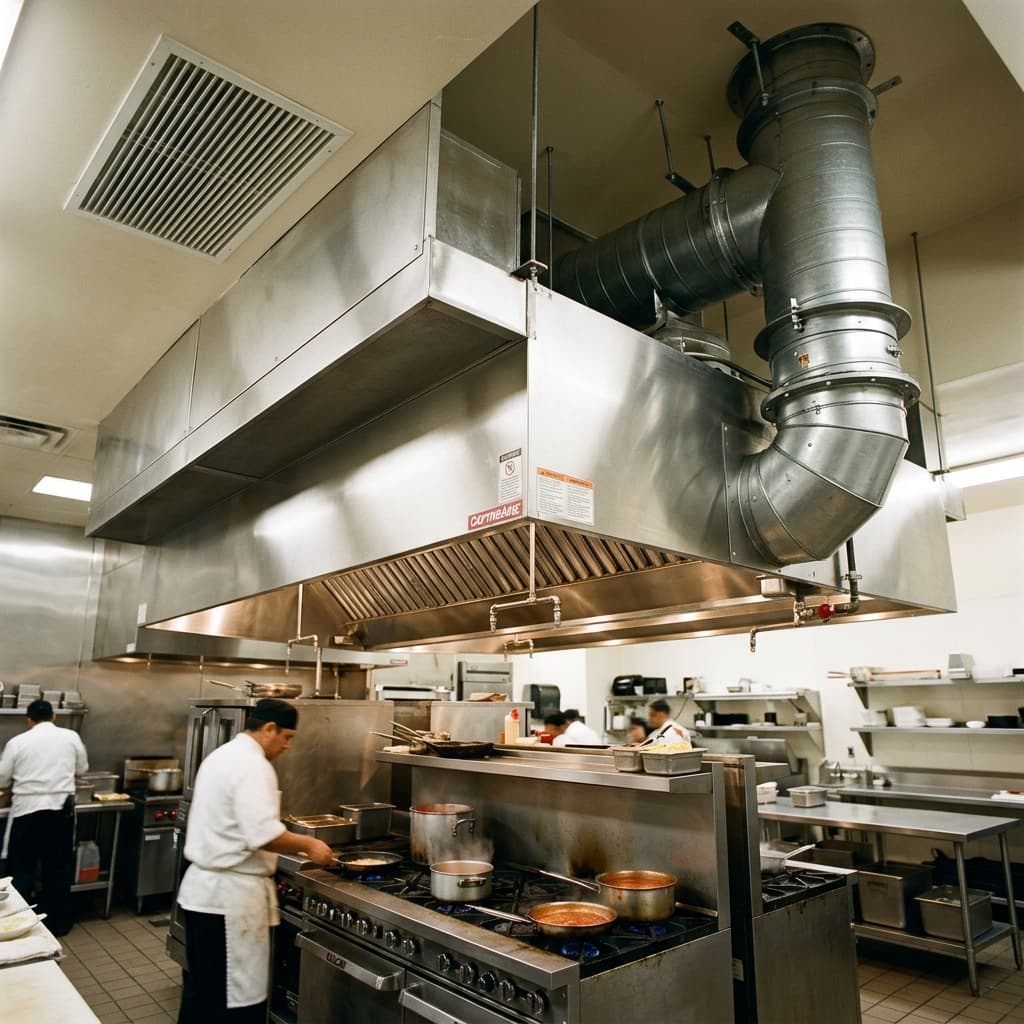
Hoods are classified by what the equipment beneath them produces. Choosing the wrong class is one of the most expensive mistakes in a restaurant buildout because it affects ductwork, fire protection, and inspection. Type I hoods are required over equipment that produces grease-laden vapors: fryers, griddles, charbroilers, ranges, and woks. They use grease filters or baffles, and they require a liquid-tight, fire-rated grease duct and a fire suppression system. Type II hoods serve heat and moisture without grease, such as dishwashers, steamers, and some ovens. They do not need grease ducts or wet-chemical suppression, but they still must be sized and vented correctly. Some low-volume equipment can run under ventless hoods that filter and recirculate air. Eligibility depends on the specific appliances and local approval. Do not assume a ventless system is allowed — confirm it with the authority having jurisdiction before you buy equipment. A hood must capture and contain effluent from the appliances beneath it, so sizing depends on appliance duty (light to extra-heavy), hood overhang, hood style (wall-mounted canopy, island canopy, or proximity), and the exhaust fan and duct run. Undersized exhaust leads to smoke spill, grease buildup, and failed inspections. Oversized exhaust wastes energy and pulls the building out of balance. Every cubic foot of air your hood exhausts has to be replaced. Without dedicated make-up air, the kitchen runs at negative pressure: doors are hard to open or slam shut, pilot lights flicker or go out, smoke and odor spill into the dining room, and hoods fail to capture even though the fan is running. In Colorado, untempered cold winter air can also cause freezing problems and drive up heating costs. Air balancing after installation confirms that the system delivers the airflow shown on the plans.

Hood Installation

Common Hood Installation Mistakes to Avoid

Most delays and failed inspections trace back to a handful of planning errors. Avoid these and your hood project stays on budget and on schedule.

  • Buying equipment before designing the hood: Appliance dimensions and duty drive hood size.
  • Underestimating the duct route: A long rooftop run increases cost and fan size.
  • Ignoring cleanability: Grease ducts need access panels at the required locations so they can be cleaned.
  • Treating make-up air as optional: It is part of the hood system, not an add-on.
  • Using separate contractors with no coordination: Hood, HVAC, fire suppression, and electrical must match.

Before you request quotes, gather your final cooking equipment list with model numbers and fuel type, a floor plan with the proposed hood location, roof access and potential fan location, landlord approval for roof and wall penetrations, and your target opening date so permit timing can be planned backward from it.

Hood Installation

How ItWorks

  • Choose the Right Hood Type: Match the hood class to what your equipment produces: Type I for grease-laden vapors, Type II for heat and steam, and ventless only where the authority having jurisdiction approves it.
  • Size the Hood and Exhaust System: Account for appliance duty, hood overhang, hood style, and the exhaust fan and duct run so the hood captures and contains effluent without wasting energy.
  • Do Not Skip Make-Up Air: Design dedicated, tempered make-up air so the kitchen never runs at negative pressure, then confirm airflow with air balancing after installation.
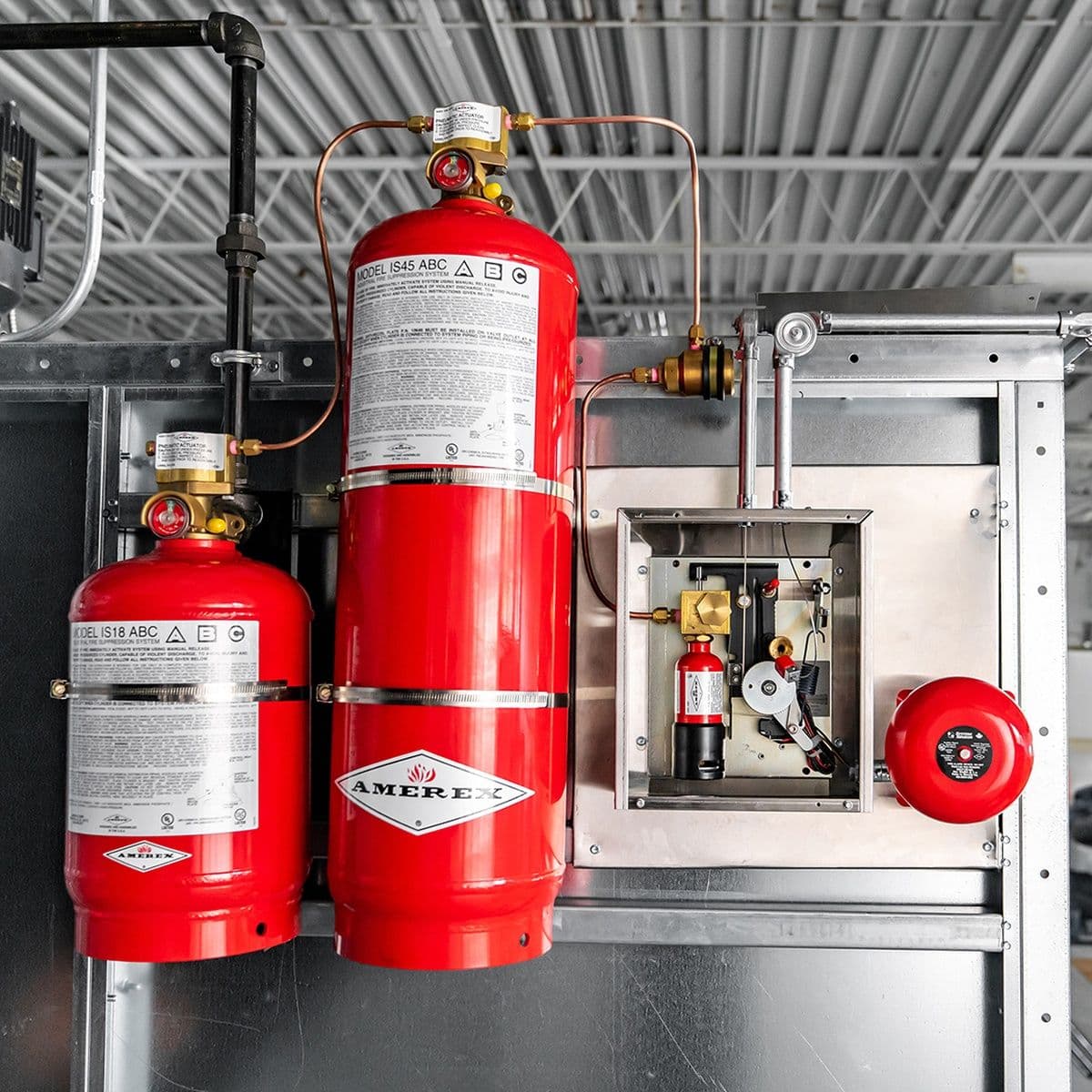
  • Install Fire Suppression: Type I hoods need a listed wet-chemical system installed to the manufacturer's listing, with automatic gas and electric shutoff and professional inspection about every six months.
  • Plan for Permits and Inspection: Finalize the equipment list, prepare mechanical drawings, submit for permit review, install only after approval, and pass rough-in and final inspections including a suppression acceptance test.

Commercial Kitchen Hood Installation in Denver — FAQs

The physical installation of a hood, duct, and fan is often a matter of days, but permit review and equipment lead times usually set the real schedule. Custom hoods and large exhaust fans can take weeks to arrive, so order early once drawings are approved.

Sometimes, but the hood must match the new tenant's equipment. A hood sized for a light-duty line may not capture a charbroiler's output. Have the existing hood, fan, and duct evaluated before you rely on it, and expect updates to suppression nozzles if the appliances change.

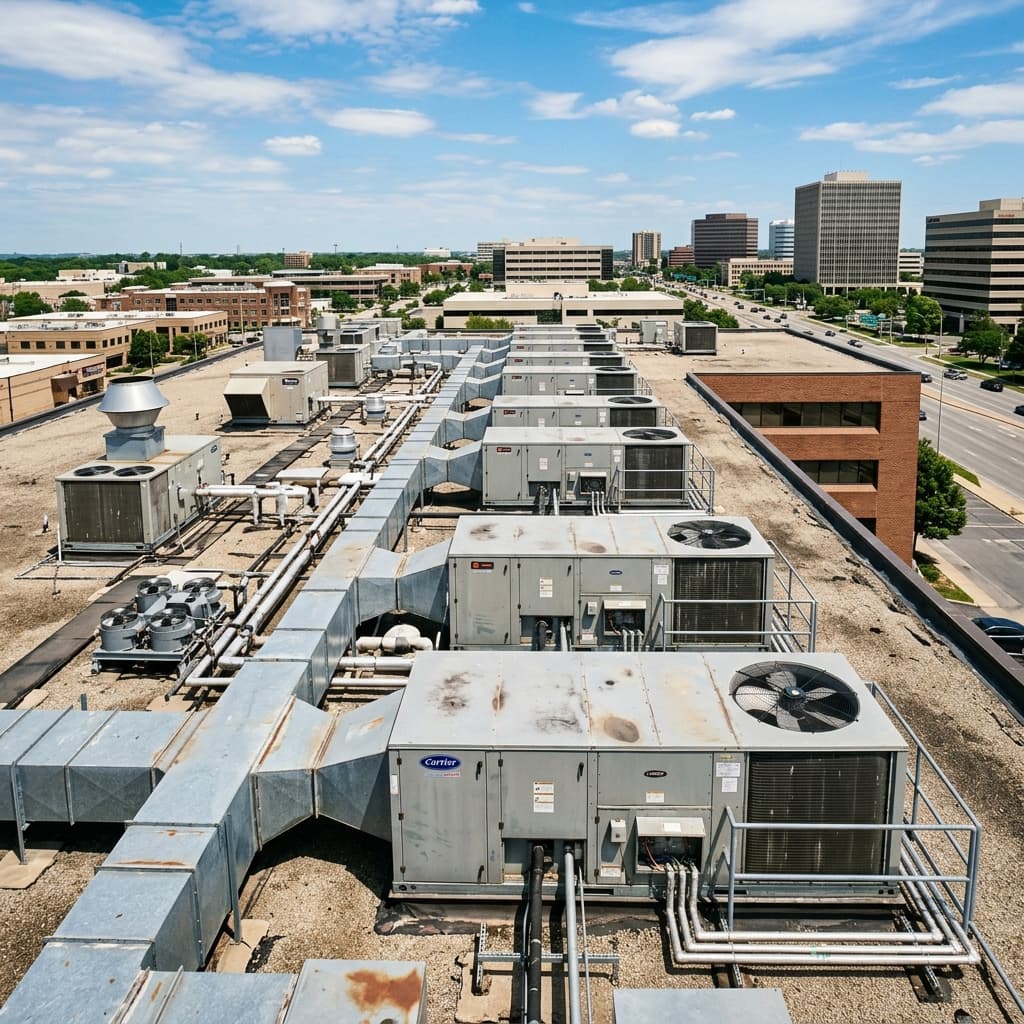
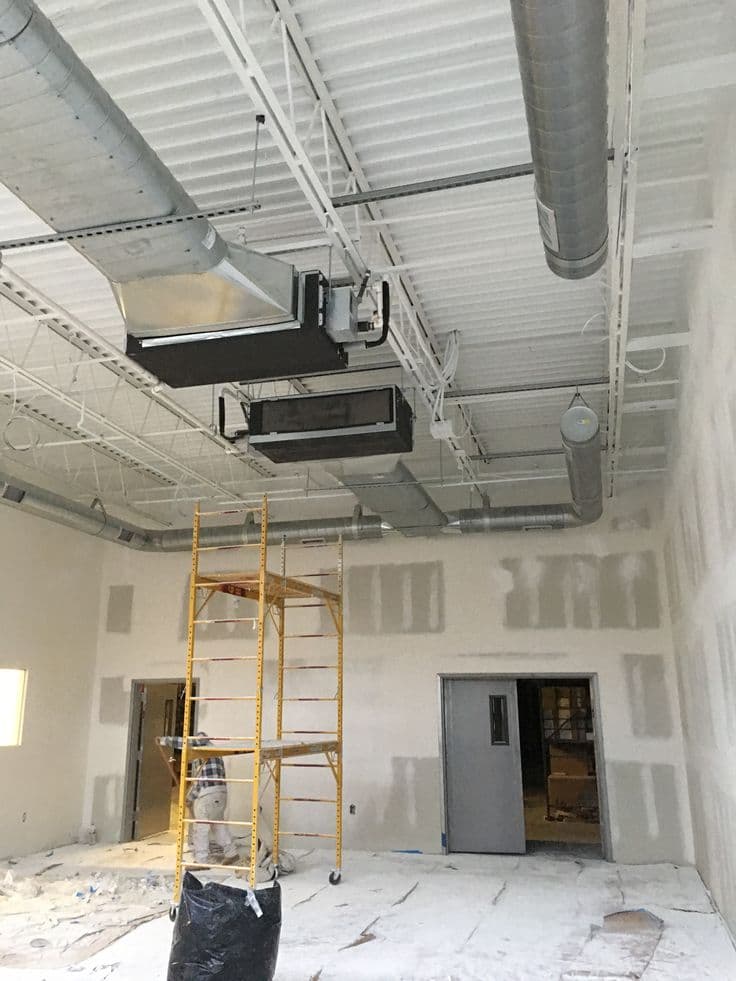
Exhaust fans and make-up air units add weight and require roof penetrations. A structural check confirms the roof can carry them, and curbs and flashing must be installed properly to avoid leaks.

There is no single number. Cost depends on hood size, duct length and routing, fan and make-up air capacity, fire suppression scope, and whether you need new electrical or gas connections. A site visit and equipment list are the only reliable way to price the work.

A hood project touches mechanical, fire protection, electrical, and sometimes plumbing and structural work. Using a single design-build team reduces conflicts between trades, because the exhaust, make-up air, suppression, and power are designed together rather than patched after the fact.

Schedule a cleaning plan, keep the suppression inspection on a six-month cycle, and save the permit, drawings, and air balance report. These records help during inspections, tenant changes, and insurance reviews.

What OurClients Are Saying

We measure success by the relationships we build and the results we deliver. See what clients say about working with our team.

Blake Rienhardt — Hood Builder client testimonial

"As you say, you are a one-stop shop. Had our duct repaired and had our system checked with our hood cleaning. We had everything done in one day"

Blake RienhardtBlake Rienhardt

"They put me a new Air Extractor. What a difference ! Thank you (Original) Me pusieron un nuevo Extractor de Aire. Que diferencia ! Gracias"

Thomas LozoyaThomas Lozoya

"Been with Massoud's companies for years. Didn't realize they also did construction work. I had my duct system upgraded by hoodbuilder..."

Jamie RobertsonJamie Robertson

"They are well professionals. Thanks for fixing my hood and duct. (Original) Son bien professionals. Gracias por arreglar me campana y ducto"

Graciela MattaGraciela Matta

Trusted by Leading Organizations

Get Your Free Project Estimate

Tell us about your facility needs, and our contracting experts will reach out within 48 hours to discuss the details.

Professional chefs in a commercial kitchen
Project Scope (Select Services you're interested in)

Security Check: What is8 + 5?